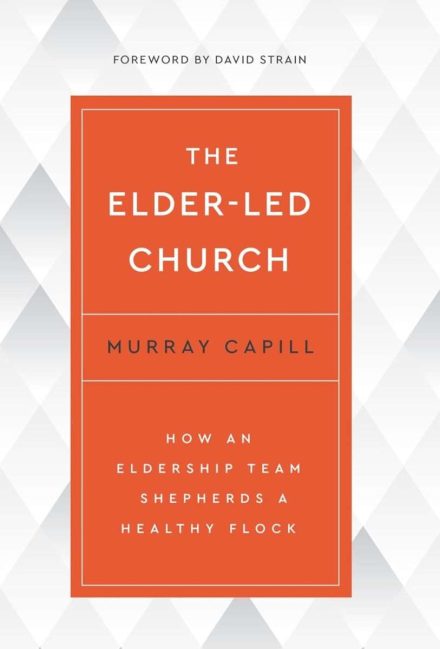
In The Elder-Led Church: How An Eldership Team Shepherds A Healthy Flock, distinguished Australian Presbyterian pastor, Dr. Murray Capill, offers profound insights into effective church eldership. Published by P&R Publishing, this impactful book explores the critical role of eldership in fostering healthy churches.
While there are excellent reviews that highlight the book’s broader contributions, I want to focus on a chapter that resonated deeply with me: Chapter 10: Leading as Shepherds: Care and Discipleship. This chapter beautifully emphasizes how elder leadership, rooted in genuine care and intentional discipleship, is essential for building a Christ-centered church community.
Why People Join and Leave Churches
One of Capill’s key observations in this chapter is why people are drawn to churches—and why they leave.
- Quote: “It is not uncommon for people to move on from a church because they feel that it lacks care.”
While people often join churches for the preaching, music, youth ministries, or theology, they leave when they feel uncared for. This desire for care is not unrealistic. Churches are meant to be a place of genuine friendships and loving relationships.
- Quote: “The church should be a loving, grace-filled community, where meaningful relationships are cultivated. And the elders as Christ’s undershepherds are to care for his blood-bought flock.”
Principles of Care
Capill outlines three principles of biblical care that can reshape how we approach leadership and discipleship.
- Biblical Care Is Spiritual Care
The ultimate goal of shepherding is not just practical support but helping people grow in their faith and dependence on Christ. True care leads people closer to the Savior, especially in the highs and lows of life.
- Quotes:
- “Real shepherding care leads people to the Good Shepherd.”
- “Our goal is that in all the ups and downs of life, people learn to cling to Christ, find all they need in him, grow in dependence on him, find joy in him, and serve him.”
- Biblical Care Takes Many Forms
Care needs to be tailored to the unique needs of individuals in the congregation. Capill lists several ways elders and church leaders can care for their congregation:
- Pastoral/Home Visitation:
“Regular patterns of visiting people in their homes allow elders to get to know their flock, hearing of their needs, concerns, dreams, and pains.” - Preaching Ministry:
“The pastor… has opportunity to bring God’s Word to bear on a great range of people, needs, and life situations.” - Small Groups:
“The small group becomes a place of loving, praying, serving, caring, comforting, strengthening, and helping one another.” - One-on-One Meetings:
“Taking someone out for coffee indicates care. It provides a relaxed, conversational setting for interacting together on life.” - Texts, Emails, and Phone Calls:
“A timely message can mean the world. It shows that we are thinking of someone and praying for the person.” - Hospitality:
“The dinner table is one of the best places to talk, share, laugh, cry, and pray with other people.” - Mentoring/Discipling Relationships:
“Mentoring is really just sustained and ongoing spiritual care in the context of an intentional relationship.”
- Biblical Care Requires the Gifts of Many
Elders are not called to do it all. Instead, they are to guide, equip, and encourage the congregation to care for one another, creating a shared ministry of care.
- Quote: “The appointed church leaders are not intended to do all the caring but to oversee, encourage, and equip a church full of people who care for and disciple one another.”
Are At-Home Visits Always Positive?
This next point struck me as worth reflecting on, particularly for Reformed denominations where annual home visitations can sometimes feel like a “check-the-box” obligation. While home visitation has been a cherished tradition, Capill suggests it may not always be the best approach for every situation.
Challenges of At-Home Visits
- Intrusiveness:
- Quote: “Some… will find a pastoral visit once in a year by an elder they barely know to be anything but caring. It is intrusive and inappropriate.”
- Cultural Shifts:
- Quote: “In our current cultural context, it may well be that visitation should no longer be our foremost tool.”
- Personal Preferences:
- Some individuals might prefer neutral settings, like a coffee shop or a public space, for spiritual conversations.
The Noble Task of Elders
At the heart of their role, elders are tasked with pointing people to Jesus, the Good Shepherd. Their work is not about solving every problem or meeting every need but shepherding others toward the One who provides eternal hope and spiritual healing.
- Quote: “Our task is not to heal them, fix them, make them happy, or be everything they need. It is to point them to Jesus, who alone can save them and be all that they need.”
Takeaways for Church Leaders
- Foster a Caring Church Culture:
Create a church where care and discipleship are inseparable. - Equip and Empower:
Train congregation members to take part in care ministries, making it a shared effort. - Diversify Care:
Use a variety of methods to address the different needs of individuals within the congregation.
Final Thoughts
Murray Capill’s The Elder-Led Church is a timely and much-needed resource for church leaders today. The chapter Leading as Shepherds: Care and Discipleship alone makes the book worth reading, offering a profound reminder to prioritize genuine care and intentional discipleship. By reflecting Christ’s love and equipping others to do the same, elders can cultivate grace-filled churches where people grow and flourish in their Christian faith.
You can purchase The Elder-Led Church through Presbyterian & Reformed Publishing.